How Celebrity Look Alike Matching Works
Modern systems that identify a celebrity look alike blend computer vision, machine learning, and large-scale databases to produce reliable matches. The process starts with high-quality face detection and alignment: the input photo is analyzed to locate facial landmarks, correct for tilt and scale, and normalize lighting so the comparison is fair. Next, deep convolutional neural networks extract a compact numerical representation—an embedding—that captures the unique geometry and texture of the face while being robust to changes in expression, hair, and minor makeup.
These embeddings are compared against a curated library of celebrity embeddings using similarity metrics such as cosine similarity or Euclidean distance. Matches are ranked and returned with confidence scores, allowing users to see the top candidates and understand how close each resemblance is. Additional layers—age and gender estimation, pose correction, and color normalization—improve accuracy by filtering out misleading differences. For people wondering what celebrity look like me or looking to search celebrities that look alike, the system often presents multiple plausible matches, reflecting how features can align across different faces.
Practical enhancements include ensemble models that combine several neural networks, attention mechanisms that focus on key facial regions (eyes, nose, mouth), and optional human review for high-stakes uses such as casting. Privacy-preserving measures—like local-only processing or secure, encrypted databases—address user concerns, while adaptive training on new celebrity images keeps the database current. For those curious about how technology helps users discover who they resemble, services that let you look like celebrities surface familiar faces quickly and give context about why a match was chosen, from bone structure to distinctive facial proportions.
Why People Search for Celebrity Lookalikes: Psychology and Uses
Interest in celebrity doubles taps into several human motivations. At a basic level, noticing resemblance is part of social cognition—humans are wired to spot patterns and classify faces. Finding a famous twin can be flattering, feed curiosity about identity, and provide instant social currency on platforms where a side-by-side comparison can go viral. People often search for celebs i look like out of playful vanity, but many pursue matches for practical reasons: building a public persona, exploring casting options, or discovering potential branding opportunities tied to a familiar look.
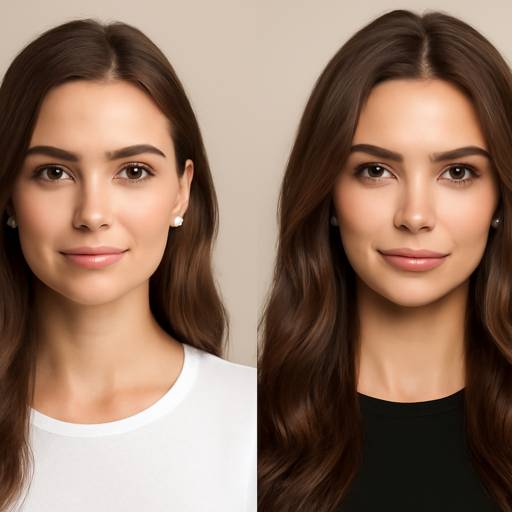
Beyond individual curiosity, businesses and creatives use lookalike matching in advertising, casting, and entertainment. Casting directors sometimes seek lesser-known actors who closely resemble a historical figure or a well-known face; marketers may hire peripheral lookalikes for campaigns where the presence of a familiar visage boosts recall without using the actual celebrity. Influencers and content creators use resemblance results to craft viral content—an unexpected resemblance can spark engagement and rapid follower growth. The search for a celebrity i look like therefore sits at the intersection of identity play, practical casting needs, and digital-age self-presentation.
There are also ethical and social considerations. Misidentification can lead to awkward comparisons, and deliberate impersonation raises legal and reputational issues. Responsible platforms provide clear disclaimers, consent pathways, and options to remove images. At the same time, many users enjoy the lighthearted side: discovering a doppelgänger can be a conversation starter, a way to reinterpret personal style, or a fun experiment in how facial features align across cultures and ages.
Real-World Examples and Case Studies: Look-Alikes That Made Headlines
Cultural moments regularly highlight how compelling celebrity lookalikes can be. Viral social posts have turned ordinary people into micro-celebrities after fans noticed uncanny resemblances to well-known actors or singers, generating media coverage and new opportunities. Talent agencies maintain rosters of professional lookalikes who perform at events, appear in themed promotions, or book roles that require a convincing likeness without licensing a celebrity’s image. These practical uses demonstrate the commercial value of accurate matches.
Case studies reveal varied applications: a production company used automated matching tools to shortlist actors who resembled historical figures for a period drama, speeding up casting and reducing travel for auditions; a cosmetics brand leveraged lookalike comparisons to show consumers how makeup transforms features to mirror a celebrity’s signature look, boosting conversions; and influencers have used resemblance results to launch themed challenges that grow followers and engagement. Each case underscores how technology streamlines discovery and opens creative pathways for both individuals and organizations.
Successful real-world deployments hinge on quality data and thoughtful design. When a match led to a viral campaign, the creators paired the resemblance with narrative—context that explains why the similarity matters, whether for nostalgia, humor, or homage. Ethical deployments prioritized clear communication and avoided implying official endorsement by the celebrity. Those considering lookalike tools benefit from learning these examples: clear intent, transparency, and respect for likeness rights produce positive outcomes when connecting faces to famous counterparts and exploring the broader phenomenon of look alikes of famous people.

A Gothenburg marine-ecology graduate turned Edinburgh-based science communicator, Sofia thrives on translating dense research into bite-sized, emoji-friendly explainers. One week she’s live-tweeting COP climate talks; the next she’s reviewing VR fitness apps. She unwinds by composing synthwave tracks and rescuing houseplants on Facebook Marketplace.