In a world where AI technology is reshaping how we interact, create, and secure data, the stakes for authenticity and trust have never been higher. With the advent of deep fakes and the ease of document manipulation, it’s crucial for businesses to partner with experts who understand not only how to detect these forgeries but also how to anticipate the evolving strategies of fraudsters.
Understanding the Modern Threat Landscape
Document fraud today extends far beyond crude photocopies and altered signatures. Fraudsters leverage sophisticated tools—ranging from generative AI that produces realistic textual and visual content to off-the-shelf image editors that seamlessly alter identification documents. The most common forms include counterfeit IDs, forged contracts, doctored invoices, and synthetic documents created to bypass Know Your Customer (KYC) processes. Each method exploits different vulnerabilities: visual inconsistencies, metadata manipulation, or social engineering that convinces humans to accept forged paperwork.
The consequences of undetected fraud are significant. Financial institutions face direct monetary losses and regulatory penalties, insurers grapple with fraudulent claims, and employers risk hiring based on falsified credentials. Equally damaging is reputational loss: a single high-profile breach in document verification can erode customer trust and invite increased scrutiny from regulators. Understanding that attackers iterate quickly is essential; a defense that worked last year may be ineffective today. That’s why modern defenses combine automated systems with expert human review, continuous threat intelligence, and adaptive rules that evolve as new attack vectors appear.
Risk profiling helps organizations prioritize which documents require the highest level of scrutiny. High-value transactions, onboarding of privileged users, cross-border activities, and sectors regulated for anti-money laundering (AML) typically demand stricter controls. Integrating contextual signals—such as device risk, geolocation anomalies, and behavioral cues—into document assessment adds layers that make successful fraud exponentially more difficult. Ultimately, recognizing the diversity and speed of the threat landscape is the first step toward a resilient verification program.
Techniques and Tools for Reliable Detection
Detecting sophisticated forgeries requires a combination of technical approaches. At the image level, forensic analysis inspects pixel-level anomalies, compression artifacts, and inconsistent lighting or shadows. Optical Character Recognition (OCR) combined with natural language processing flags improbable text patterns, mismatched fonts, and improbable phrasing for a given document type. Metadata analysis reveals manipulation timestamps, software provenance, and inconsistent device identifiers. Together, these signals create a probabilistic picture of authenticity.
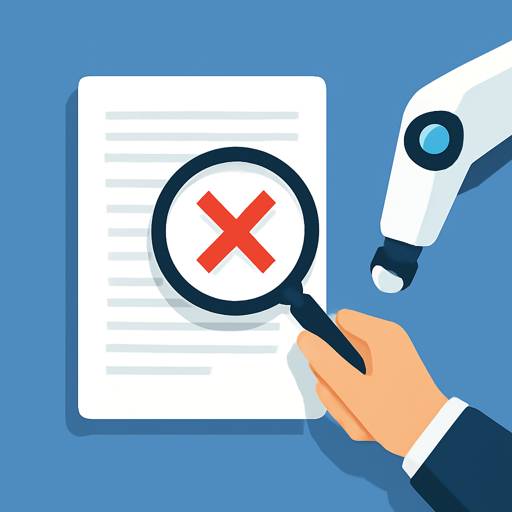
Machine learning and computer vision models are central to scalable detection: convolutional neural networks can identify subtle signs of tampering that escape manual review, while anomaly detection systems surface documents that diverge from large corpora of verified templates. Yet automation alone is insufficient; high-confidence cases are passed to forensic specialists who can apply contextual judgment. Robust systems also integrate external validation—such as cross-referencing issuing authorities, database checks, and real-time verification APIs—so that a document’s presented details are corroborated against authoritative sources.
Beyond technical tooling, operational design matters. Workflow orchestration routes suspicious items for escalation, audit trails maintain evidentiary records, and regular model retraining ensures adaptability to new fraud patterns. For organizations evaluating solutions, a key criterion is interoperability: detectors should fit into broader identity verification ecosystems and support layered defenses. For teams seeking sophisticated capabilities, specialized offerings for document fraud detection can accelerate deployment by bundling forensic engines, human-review workflows, and compliance reporting into a single platform.
Case Studies, Best Practices, and Organizational Readiness
Real-world examples show how layered defenses mitigate risk. In one financial-services case, a bank reduced fraudulent account openings by combining device intelligence with multi-factor document checks. Attackers attempting to use synthetic IDs were flagged because the verification system compared the submitted photo to device camera patterns and detected inconsistencies in image noise and metadata. In another example from the insurance sector, a claims unit identified a ring of coordinated fraud by correlating invoice templates, recipient bank details, and repeated layout anomalies across submissions—patterns that manual review alone struggled to see.
Best practices start with mapping the document lifecycle: where documents are collected, processed, stored, and shared. Protecting each stage reduces tampering opportunities. Implement strict access controls, maintain immutable logs, and require cryptographic hashing for stored artifacts to detect later alterations. Training and awareness are vital; frontline staff must recognize social-engineering cues and know how to escalate suspicious cases. Regular tabletop exercises and red-team simulations help organizations test their response to novel fraud scenarios and refine playbooks.
Policy and governance complete the readiness picture. Define clear thresholds for automated decisioning versus human review, document retention and disposal standards, and incident response protocols that include evidence preservation for legal action. Collaborating with external experts—fraud analysts, forensic labs, and vendors specializing in identity verification—provides access to threat intelligence and advanced tooling without the need to build everything in-house. Continuous monitoring, feedback loops, and investment in adaptive technologies ensure an organization stays resilient as fraud techniques evolve.

A Gothenburg marine-ecology graduate turned Edinburgh-based science communicator, Sofia thrives on translating dense research into bite-sized, emoji-friendly explainers. One week she’s live-tweeting COP climate talks; the next she’s reviewing VR fitness apps. She unwinds by composing synthwave tracks and rescuing houseplants on Facebook Marketplace.